What determines how fast an organism can run? How hard it can bite? How well a species can perform and – ultimately – how well it can survive?
The body is a blueprint to our performance. It provides the key to what we can, and cannot, do.
In the MAP lab, we study anatomy to understand behavior in a comparative, functional context; using innovative tools to quantify morphological traits and model how they support or constrain real-world behaviors.
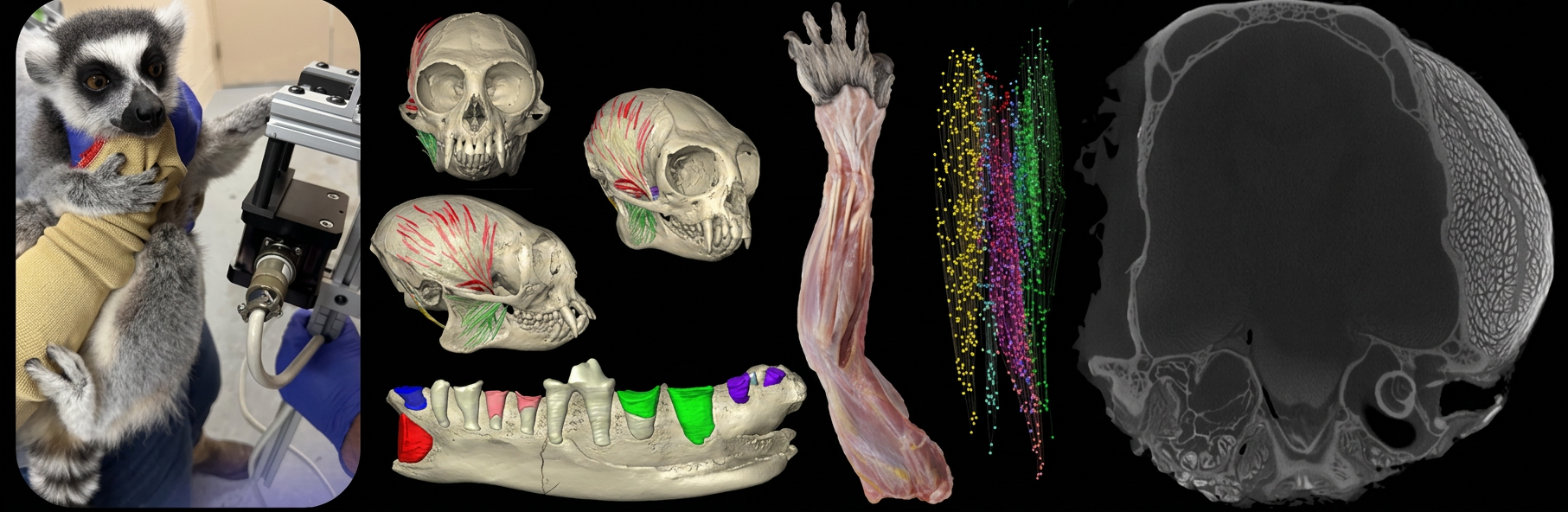
CORE 2026 PROJECTS
EVOLUTION
Functional exaptations of the mammalian pseudothumb
anatomy
What drives variation in the primate forelimb?
ECOMORPHOLOGY
Anatomical correlates of echolocation behaviors in bats
ANATOMY
Natural disasters and the manifestation of skeletal stress
BIOMECHANICS
MeeT OUR CURRENT LAB MEMBERS
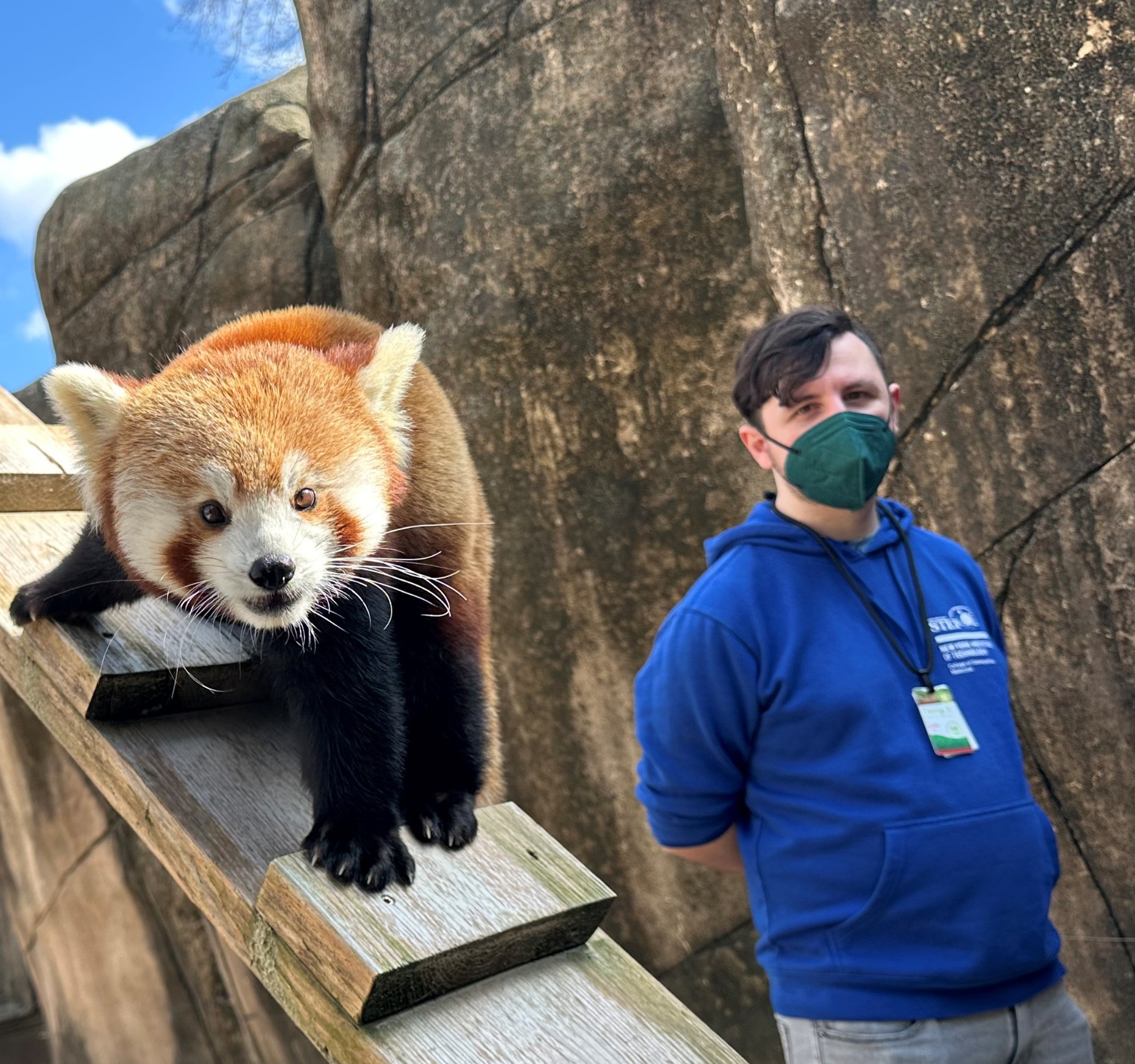
Dr. Edwin Dickinson
Principal Investigator
Quantitative anatomy, musculoskeletal integration, evolutionary biology

Ayesha Gayle de Jesus
Research Student
Sensory ecology, bat ecomorphology
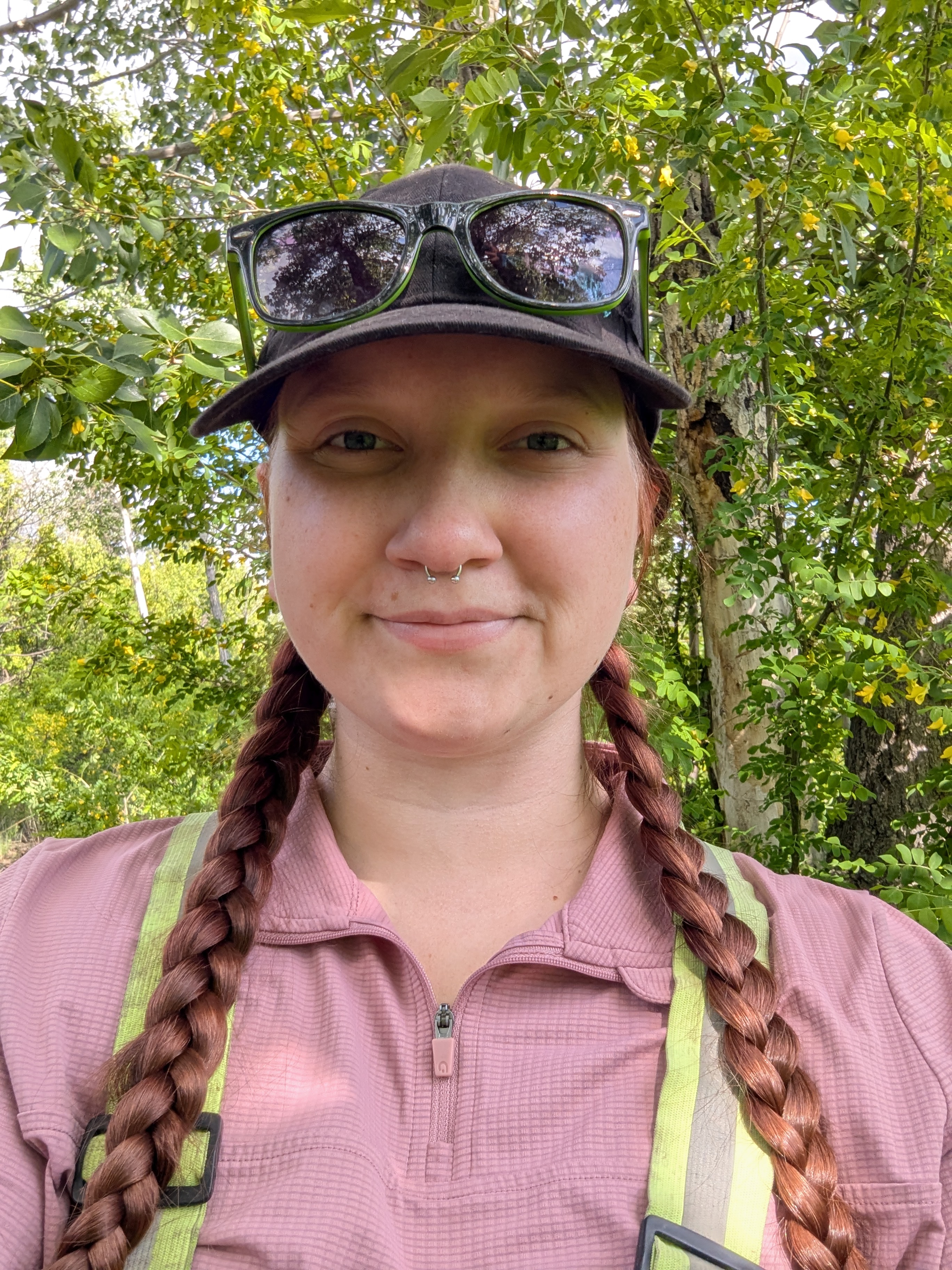
Naomi Loose
Research Student
Musculoskeletal modeling, masticatory biomechanics
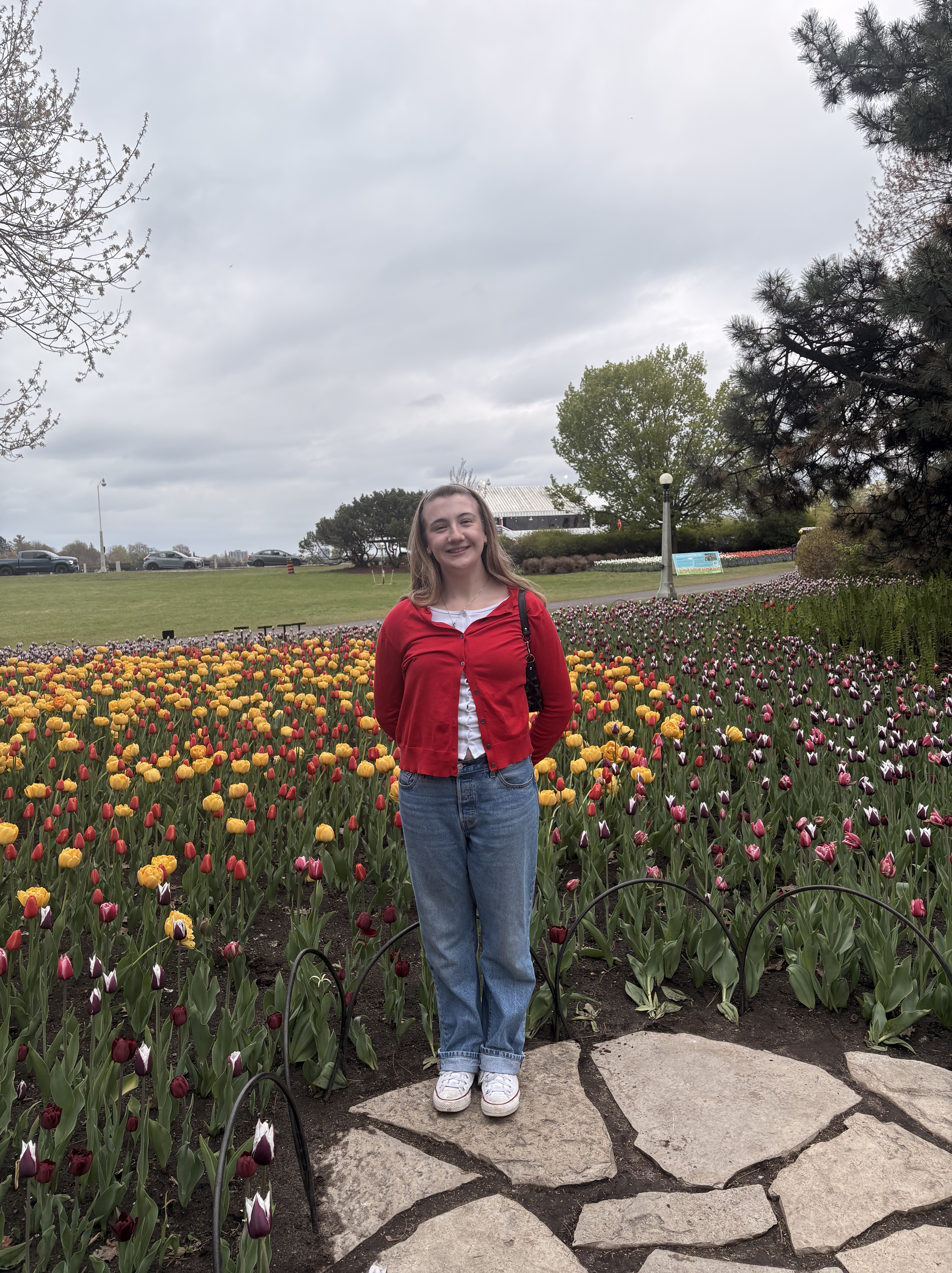
Ella Macpherson-Hess
Research Student
Muscle microanatomy, primate ecomorphology
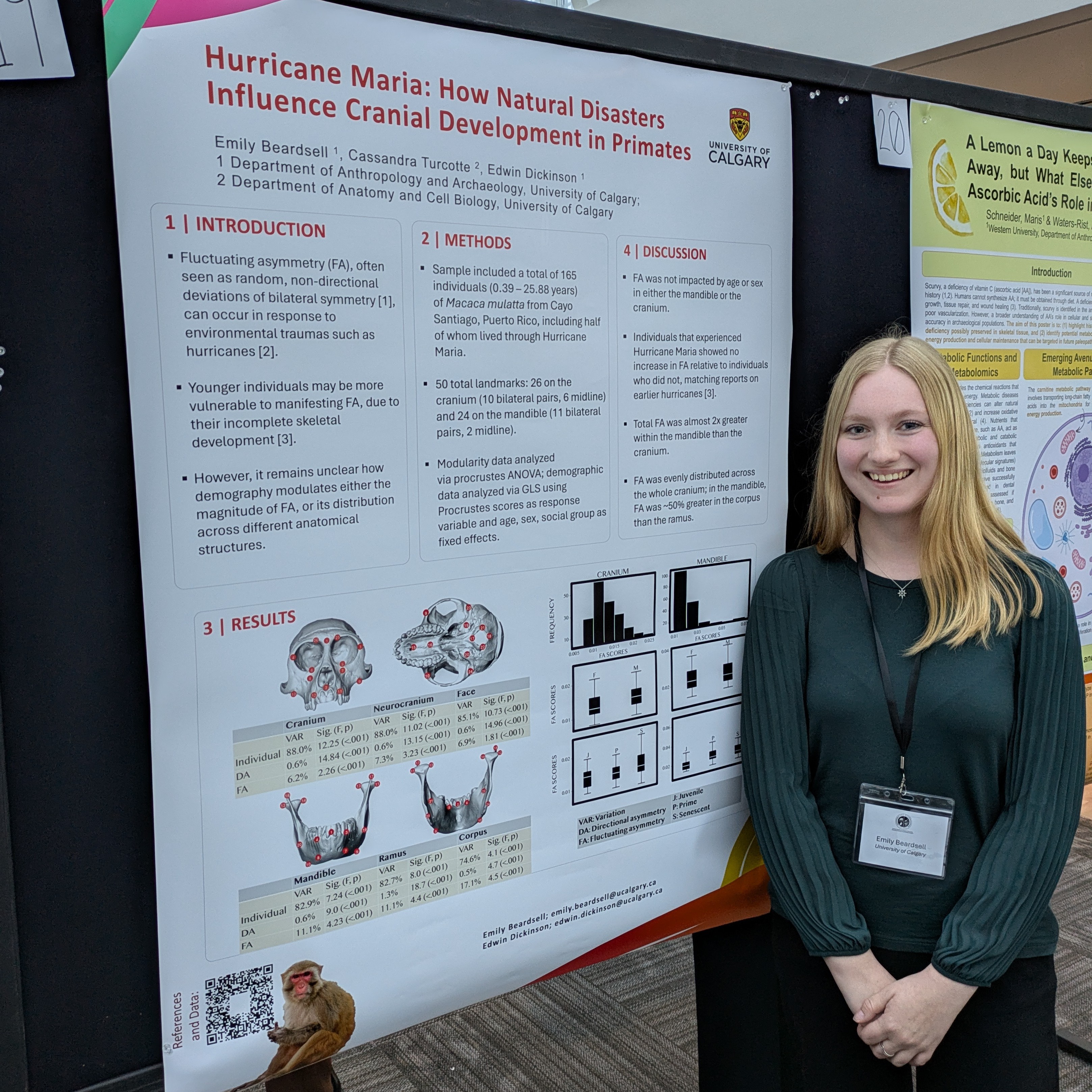
Emily Tomblin
Research Student
Skeletal stress, locomotor biomechanics

Coming Soon
Research Student
TBA
INVITATION TO COLLABORATORS
We invite researchers, community organizations, and public agencies to collaborate on ongoing work and in the development of new projects. Contact us for access to active datasets, for details on specific protocols, or to discuss new ideas.
TERRITORIAL ACKNOWLEDGEMENT
Our lab, and the University of Calgary, are located on the traditional territories of the people of Treaty 7, which includes the Blackfoot Confederacy, the Tsuut’ina First Nation, and the Stoney Nakoda. The City of Calgary is also home to the Métis Nation of Alberta, Districts 5 and 6. We acknowledge our position and privilege as uninvited guests to this land, and strive to live and work here alongside it’s traditional inhabitants in a good way.
FUNDING Acknowledgement
The MAP lab is supported by a mix of institutional and project-based funding both to the PI and collaborators, including federal funding from the Government of Canada. We express our gratitude to all partners that make this work possible.
 Studying the interface of morphology and performance.